
Tessera Studios / Outright Games
Transformers: EarthSpark
Expedition
Overview
Transformers: EarthSpark – Expedition is a three-dimensional action-adventure that brings the animated series to life. The project delivers a dynamic blend of open-world exploration, fast-paced combat arenas, and high-speed racing circuits tailored for a younger audience — allowing players to fully leverage Bumblebee's dual traversal mechanics as both a robot and a high-performance vehicle.
Launch Trailer
My Role
As Level Designer / Game Designer, I managed the end-to-end lifecycle of the game's open-world zones — from initial greybox conceptualization to final technical implementation — acting as a vital bridge between the Art and Programming departments through rigorous documentation and scripting.
- Level Design & Navigation: Structuring large-scale, intuitive environments that accommodate smooth navigation for both foot traversal and high-speed driving.
- Race Circuit Design: Conceptualizing, prototyping, and balancing the racing tracks and time trial circuits throughout the open world.
- Combat Arena Layouts: Designing and setting up open-world combat zones, strategic cover placement, and interactive environmental hazards.
- Economy & Collectibles: Managing the in-game economy through tactical asset placement, mineral distribution, and hidden collectibles to reward exploration.
- System Tuning: Participating in the design, behavioral implementation, and tuning of Bumblebee's upgrade systems and general traversal mechanics.
Design Pillars
Iteration & Problem Solving
Key Takeaways
Level Design
My role focused on transforming large-scale environmental concepts into structured, playable spaces — balancing freedom of exploration with directional clarity. The primary challenge was micro and macro architecture: designing a semi-open world layout that accommodates two entirely different speed metrics while intuitively guiding a younger player demographic.
In-Game Screenshots
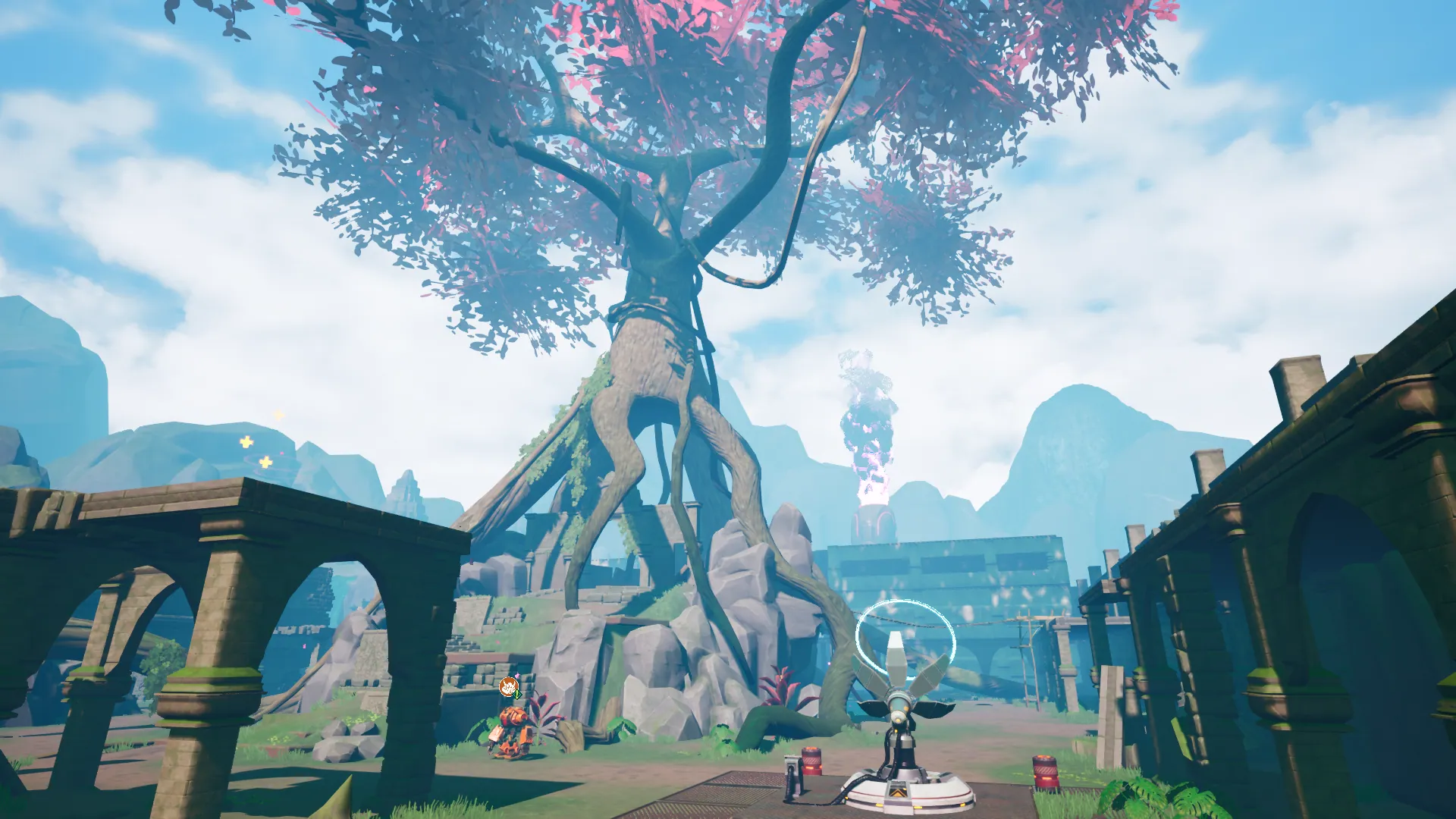
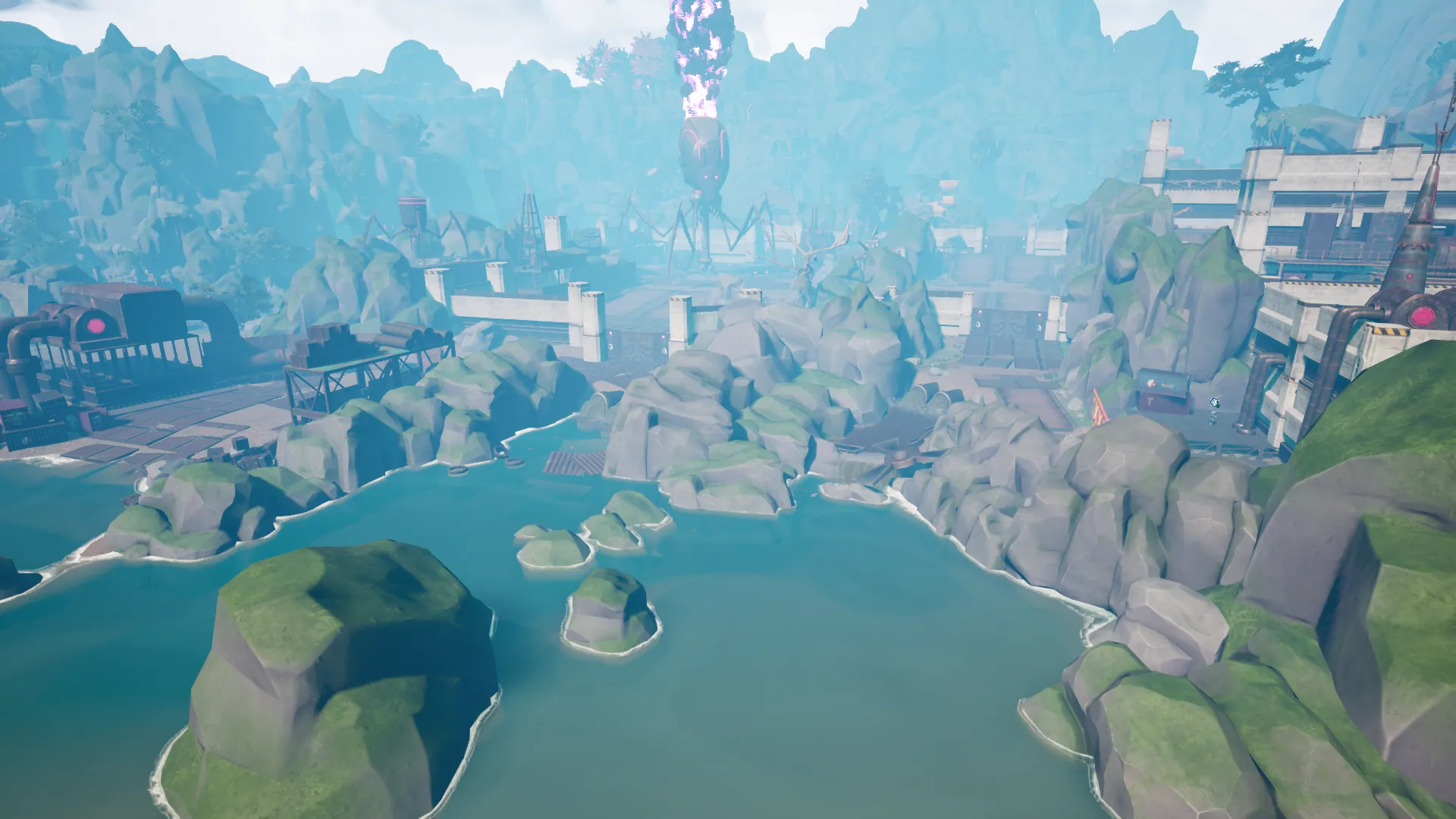
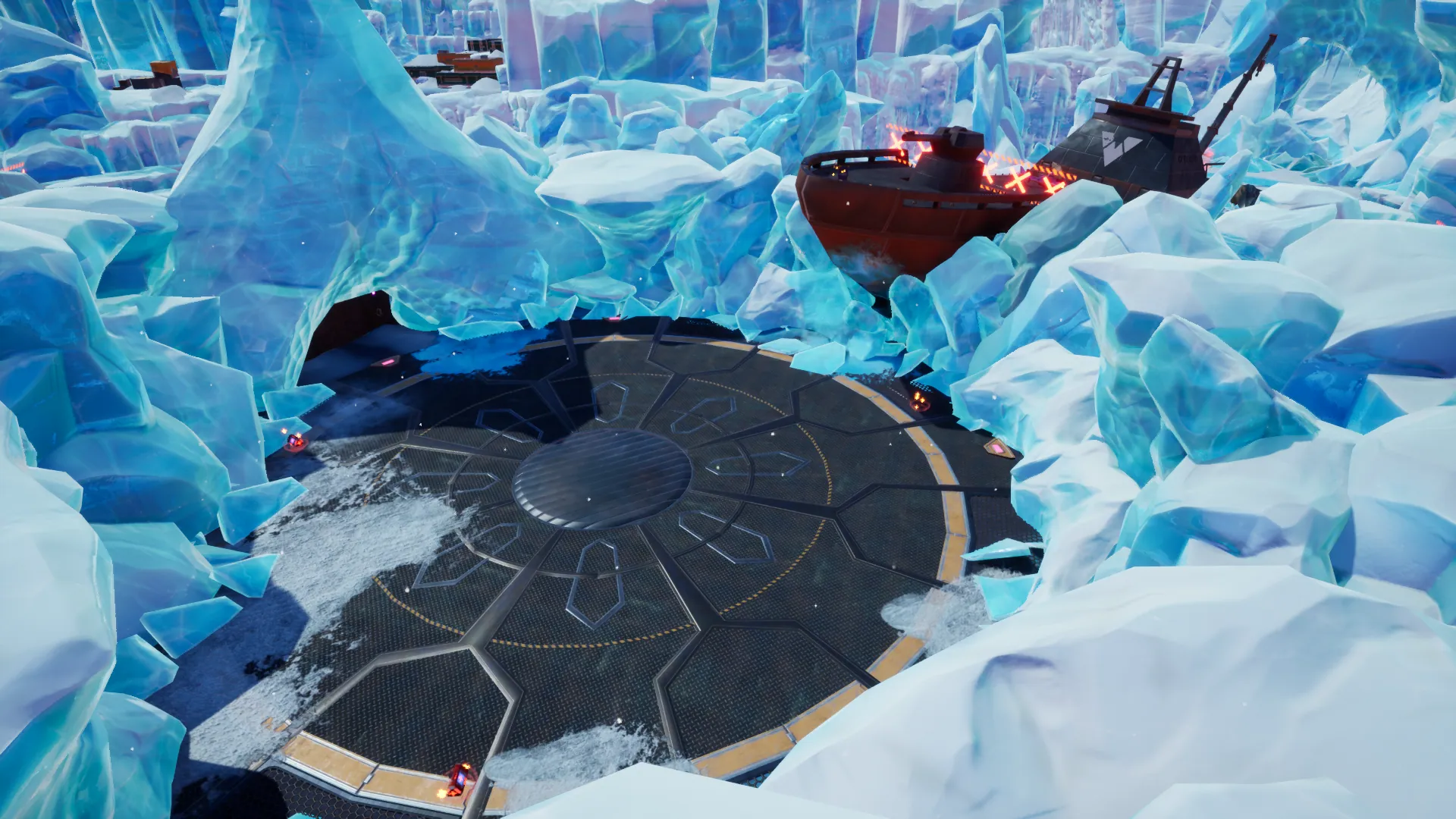
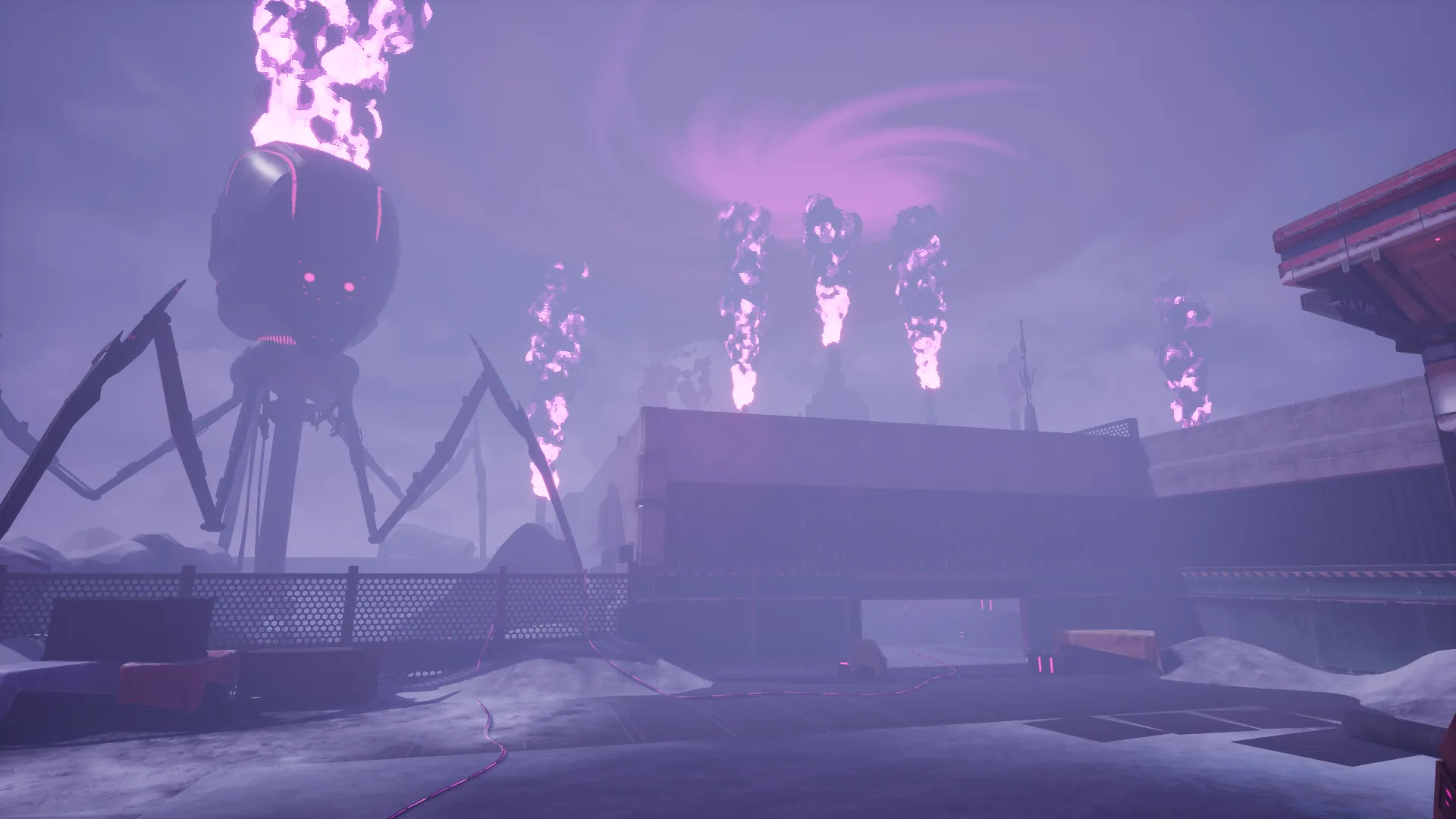
Note on greybox documentation: The blockout phase was carried out using a destructive technique — environment art was built directly on top of the greybox geometry without preserving intermediate states. As a result, no greybox captures are available. The screenshots below represent the final production state of the designed spaces.
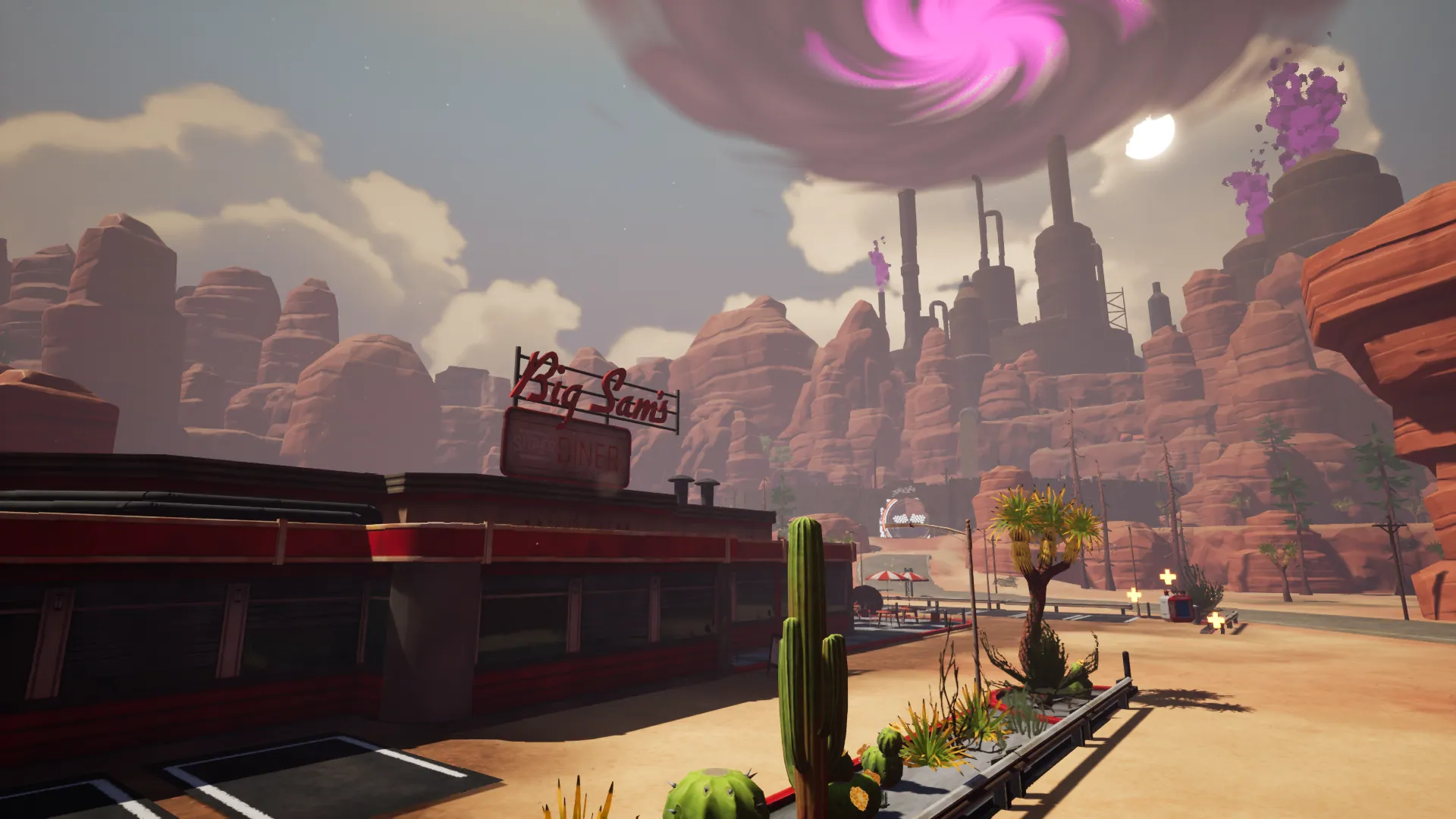
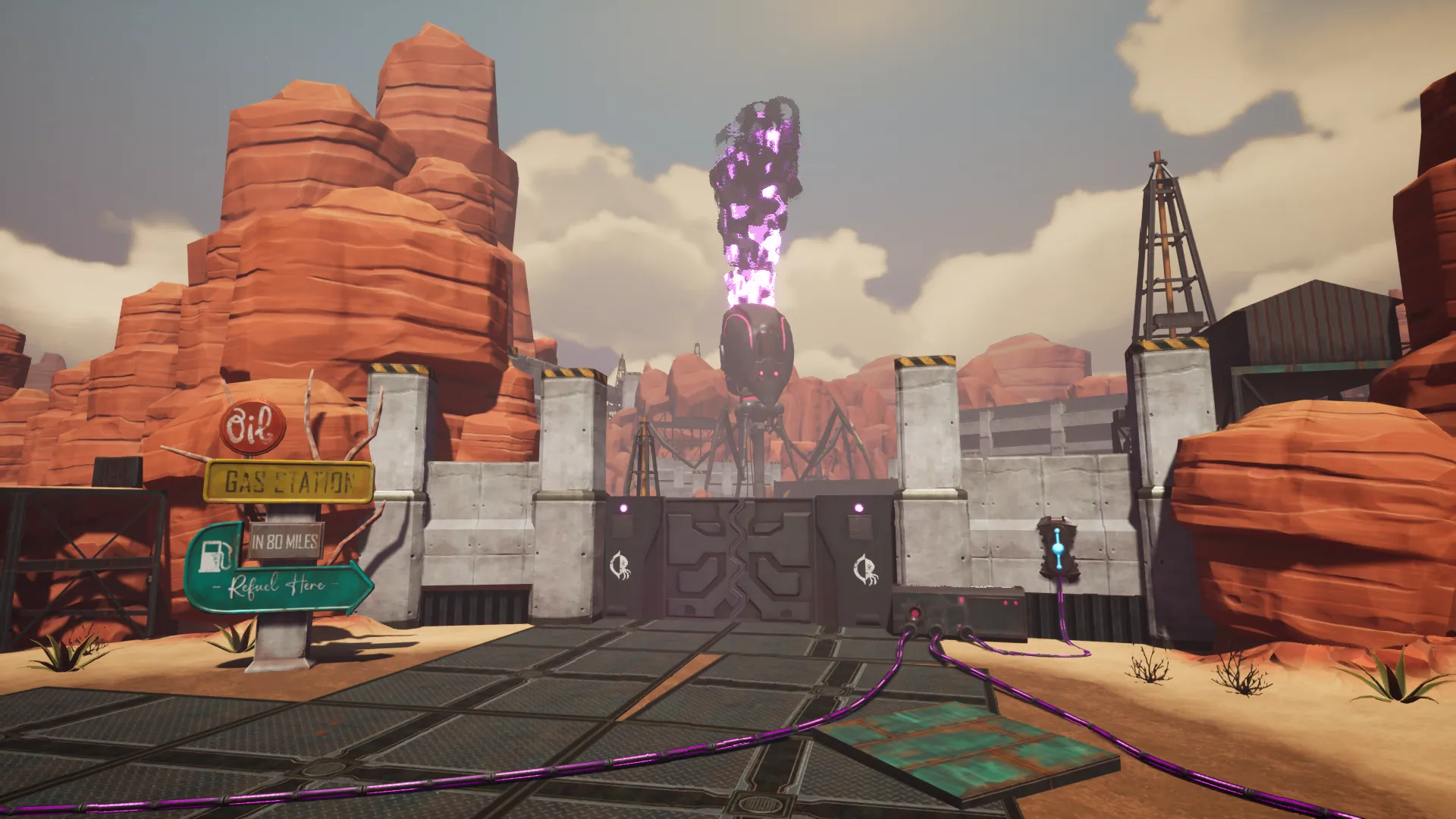
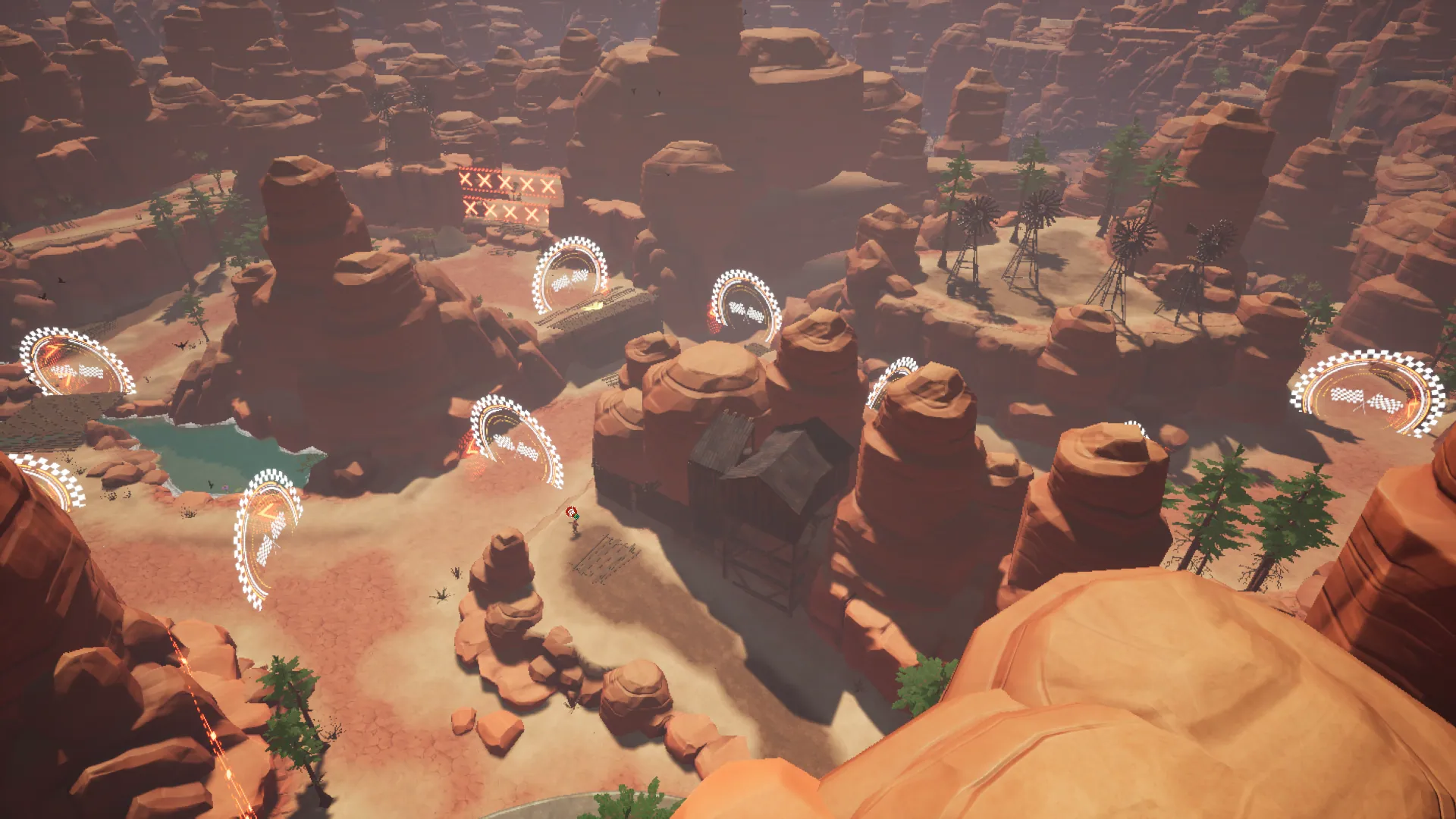
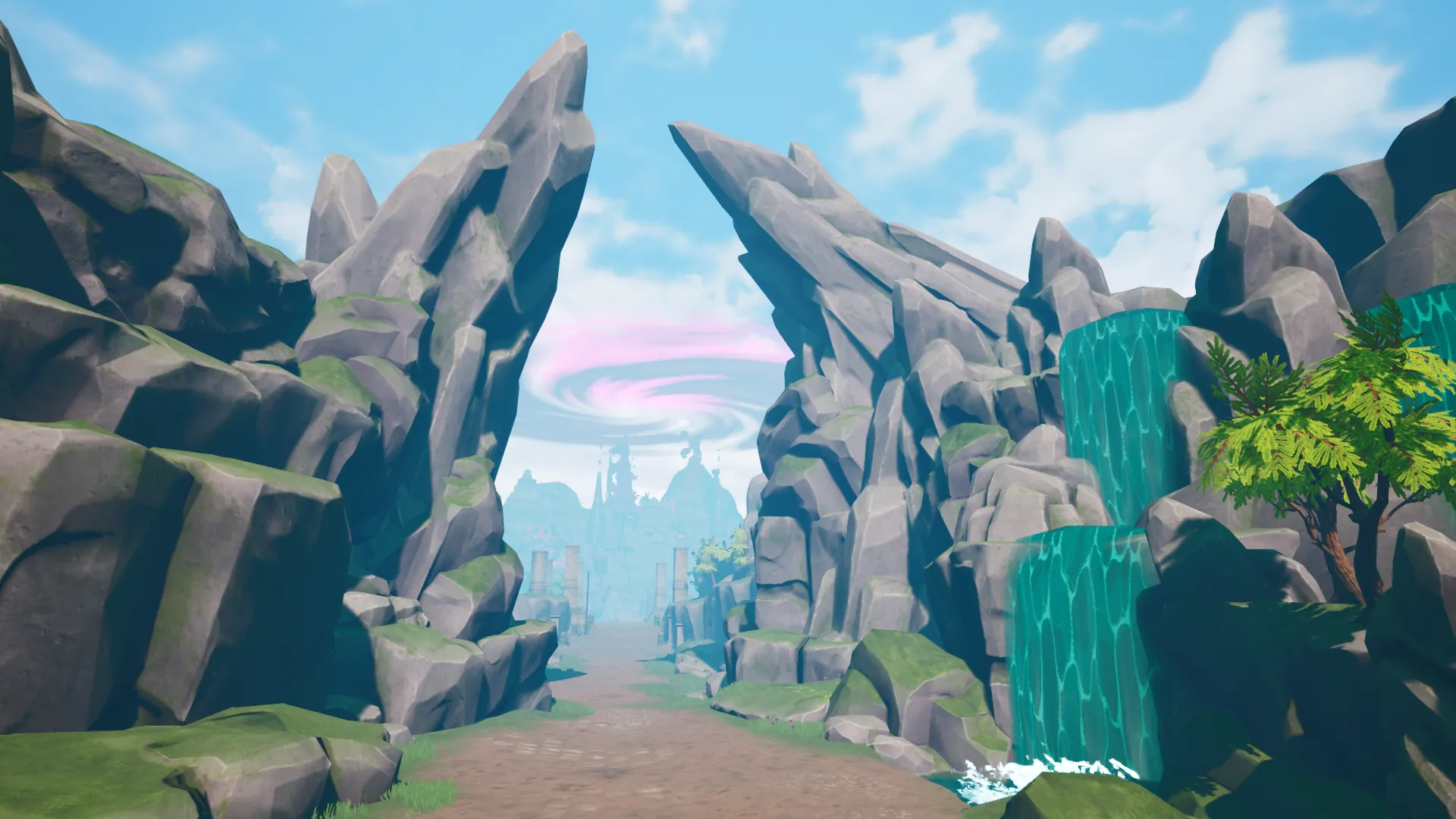

Key Points
- Dual-Traversal Metric Standards: Managed the transition from initial greybox blockouts to final production, establishing strict metrics to ensure spaces felt mechanically sound both for slow-paced platforming/combat on foot and high-speed vehicle driving.
- The "Golden Path" Integration: Architected the main progression route around a clear, central road system — serving as an organic visual guide that anchored the world topology and led players naturally through the level's lifecycle.
- Ability-Gated Exploration: Implemented gated alternative paths throughout the levels that required players to unlock specific character abilities or upgrades to access. These hidden routes housed chests and rare collectibles, significantly driving replayability.
- Environment Architecture & Scale: Collaborated closely with Environment Artists to maintain visual fidelity without compromising gameplay — adjusting road widths, turning radii, and sightlines to fit Bumblebee's high-speed vehicle form.
- Interactive World Setup: Scripted and placed dynamic level assets — explosive hazards, interactable elements, and environmental triggers — to enrich exploration and add tactical layers to the open-world layout.
Map Flow — Integrated Structure
Traversal Mode Breakdown
World Biomes — 3 Zones
The game world was structured across three distinct biomes, each with its own visual identity, traversal challenges, and design constraints — requiring a unique adaptation of the Golden Path architecture and metric standards per zone. Each biome culminated in Mandroid's Fortress, a dedicated boss arena that served as the narrative climax and gating mechanism to the next zone.
- Vehicle-first: Wide open roads and long sightlines prioritize high-speed driving as the dominant traversal mode.
- Grand Prix scale: The biome-wide circuit uses the full map extent, leveraging open terrain for high-speed straights and dune jumps.
- Sparse cover: Combat arenas designed around natural rock formations, with wider spacing between enemies.
- Robot-forward: Dense vegetation and ruins create tight corridors favouring foot traversal and platforming over high-speed driving.
- Vertical layering: Temple structures introduce multi-level exploration, with ability-gated paths leading to upper collectibles.
- Winding circuits: Race circuits navigate jungle clearings and ruin corridors — tighter corners and technical sections over raw speed.
- Friction challenge: Ice surfaces required wider turning zones and adjusted road widths to account for reduced vehicle grip.
- Environmental hazards: Frozen obstacles and cracked ice platforms introduced dynamic cover and traversal risk in combat arenas.
- Mixed traversal: Open frozen plains balance vehicle speed with robot platforming across ice bridges and elevated structures.
Mission Design
To populate the semi-open world biomes and drive player engagement outside the main narrative, I designed and implemented a structured side-quest pipeline — managing the full lifecycle from NPC interaction logic to objective tracking and reward distribution.
Mission Archetypes
- Micro & Macro Circuits: Designed short localized races alongside biome-wide Grand Prix layouts testing full map knowledge.
- Dynamic Boundary Gating: Scripted boundaries that auto-activate on race start to prevent sequence breaks.
- 3-Tier Progression: Tuned Bronze / Silver / Gold time metrics to scale rewards and encourage optimal line mastery.
- Hazard Layouts: Strategically positioned speed pads, jumps, and dynamic obstacles throughout circuits.
- Gated Arena Encounters: Closed combat spaces triggered by NPC dialogue, locked until all enemy waves are cleared.
- Archetype Blending: Curated enemy compositions forcing environmental use — elemental and explosive barrel interactions built into encounter design.
- Fetch & Tracking Logic: Scripted objective triggers requiring players to locate and recover items hidden within alternative paths.
- Level Verticality: Designed routes maximizing platforming and hidden areas, rewarding players who mastered Bumblebee's movement.
Mission Lifecycle Pipeline
Each side mission was developed through a consistent production pipeline, ensuring design intent translated cleanly into technical implementation without handoff ambiguity.
Iteration & Problem Solving
Combat Arenas
Combat arenas were designed as dedicated, gated encounters — spacious enough to accommodate high-mobility melee combos and dynamic camera tracking, yet clearly delimited to focus the engagement. The objective was to construct readable combat spaces that encouraged environmental interaction.
Key Points
- Spacious Arena Layouts: Architected encounter zones with optimized spatial metrics, ensuring ample room for dodging, executing combos, and managing crowd-control mechanics comfortably.
- Environmental Interactive Hazards: Positioned tactical asset types — explosive and elemental barrels — allowing players to leverage the environment to damage or stun groups of enemies.
- Destructibles & Cover Placement: Designed layouts featuring both static and destructible cover, creating a shifting battlefield topography that provided safety while forcing tactical repositioning.
- Enemy Composition & Flow: Balanced encounters by blending distinct enemy archetypes with varied abilities, structuring wave compositions to introduce escalating tactical complexity without overwhelming the target audience.
Iteration & Problem Solving
Arena Anatomy — Design Template
Every combat arena followed a shared structural template adapted per biome. The diagram below illustrates the standardized spatial logic applied across all encounter zones.
Scripting & Game Feel
I utilized Unreal Engine 5 Blueprints to build production-ready, highly modular gameplay tools and actively participated in refining the core traversal systems — directly bridging the gap between mechanical design and technical implementation.
Race System Architecture
- Checkpoint Trigger Logic: Engineered and implemented the comprehensive technical framework for the game's racing activities — scripting checkpoint progression, sequential tracking, and countdown/timer backend systems.
- UI Layout & Data Binding: Handled the core race HUD layout and data binding prior to final art pass, establishing the functional layer the UI team built upon.
- Boundary Gating System: Scripted dynamic level boundaries that automatically activate upon race start, soft-locking the player within the track perimeter to prevent sequence breaks and exploit paths.
Modular Barrel System — Blueprint Base Class
Engineered a modular Blueprint Base Class (Parent) for interactive environmental barrels. This scalable OOP architecture allowed the rapid creation and deployment of custom variants with distinct gameplay behaviors and damage profiles.
Dual-Form Game Feel & Traversal Tuning
- Acceleration Curves: Worked extensively on adjusting and polishing the game feel (juice) for Bumblebee's dual movement states — tuning acceleration ramp-up and deceleration response for both forms.
- Turning Friction & Weight: Collaborated on tuning turning friction and weight distribution to ensure transitions between foot traversal and high-speed driving felt fluid, responsive, and satisfying throughout.
- Form Transition Polish: Iterated on the transformation transition itself — ensuring the swap between robot and vehicle was not only visually smooth but mechanically seamless, preserving momentum where design intended.
Closing Notes
Expedition was a project that demanded adaptability — balancing the technical constraints of a dual-traversal system against the design requirements of an accessible, engaging open world. Working end-to-end across design, scripting, and tuning was a formative experience.
- Level Design Strict metric standards from day one are non-negotiable when designing for dual movement modes — retrofitting scale is prohibitively expensive mid-production.
- Open World Organic navigation guidance through environmental design is far more robust than UI-dependent wayfinding, especially for younger audiences.
- Scripting Modular Blueprint architecture dramatically accelerates content production — a well-designed parent class can scale to dozens of variants without rework.
- Process I'd push for a dedicated metric validation pass with QA specifically focused on vehicle handling across all road configurations before art production starts.
- Design More aggressive greybox time on race circuits — the most impactful changes always came from playing the route at full speed, not from top-down diagrams.
- Collaboration Earlier cross-department alignment on traversal metric standards would have reduced the amount of environment rework required later in the pipeline.
Want to know more about the project?